

The easy over-the-counter (OTC) elk hunt is over, and pretending otherwise is costing hunters tags. Colorado, Idaho, and Wyoming keep trimming OTC elk tags year after year while hunting pressure continues to increase. Draw odds for units that historically produce punched tags keep dropping, and the leftover units get more crowded.
But OTC elk hunting isn’t dead. It’s just done rewarding lazy strategy. The old playbook – drive to a familiar unit, park at the trailhead, hike two miles in, and start bugling – doesn’t work anymore. Every other hunter in that unit is running the exact same play, and the elk have caught on and move to higher ground.
If you want to fill a tag in 2026 and 2027, you need to rethink three things: how you get your tag, where to hunt and how to get close to elk that have heard every call.
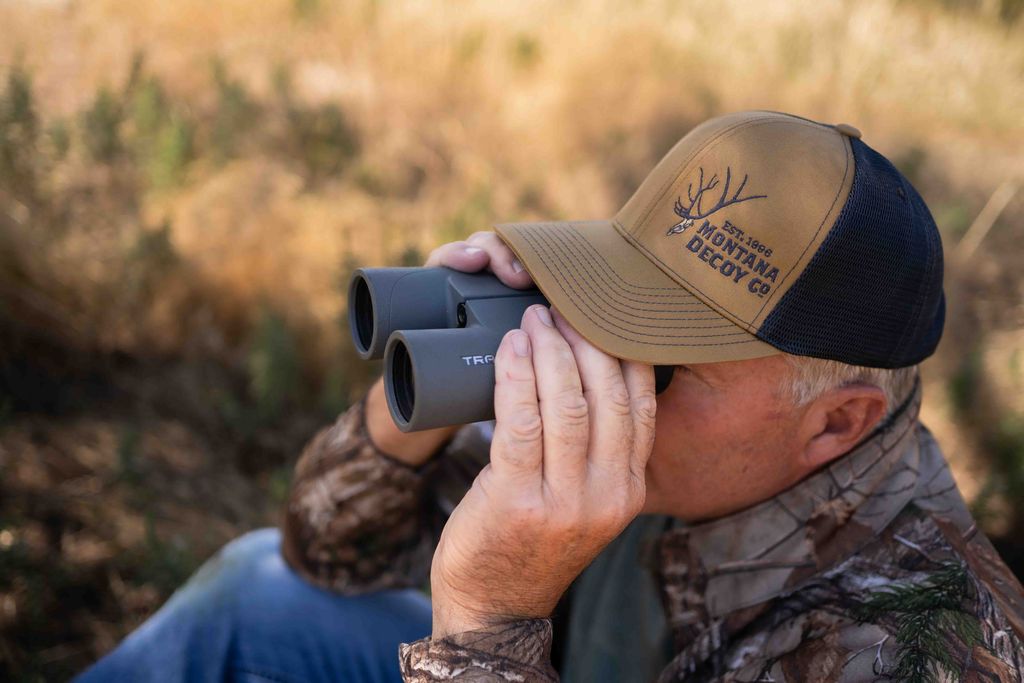
Why Pressured Elk Behave Differently Now
Hunting pressure rewires elk (and all wildlife) behavior fast. Hit a unit hard in the first few days of a season and elk don’t just move, they can change their entire pattern. Bulls go quiet. Herds become nocturnal and move into the most treacherous reaches of the mountain.
That’s what hunting a popular OTC elk unit means today. You’re not hunting elk. You’re hunting elk that other hunters have already trained to avoid the tactics that used to work.
Build a 3-Tier Elk Tag Strategy
A lot of elk hunters I know use this three-tier strategy every year so they’re never fully dependent on leftover licenses.
- Tier 1: The Dream Draw: Apply for premium limited-entry units every single year, even with long odds. Build points steadily. This is the long game; the tag that eventually delivers lower pressure and bigger bulls.
- Tier 2: The Point-Saver Draw: Target mid-tier units sitting at realistic 30 to 60 percent draw odds. These still require a draw, which naturally caps hunter numbers and keeps pressure far more manageable than a wide-open OTC unit.
- Tier 3: The OTC Backup: Keep a leftover or OTC tag as your fallback, but hunt it with a plan built for pressure instead of against it.
Once you know where you’re going to hunt, it’s time to figure out the how.
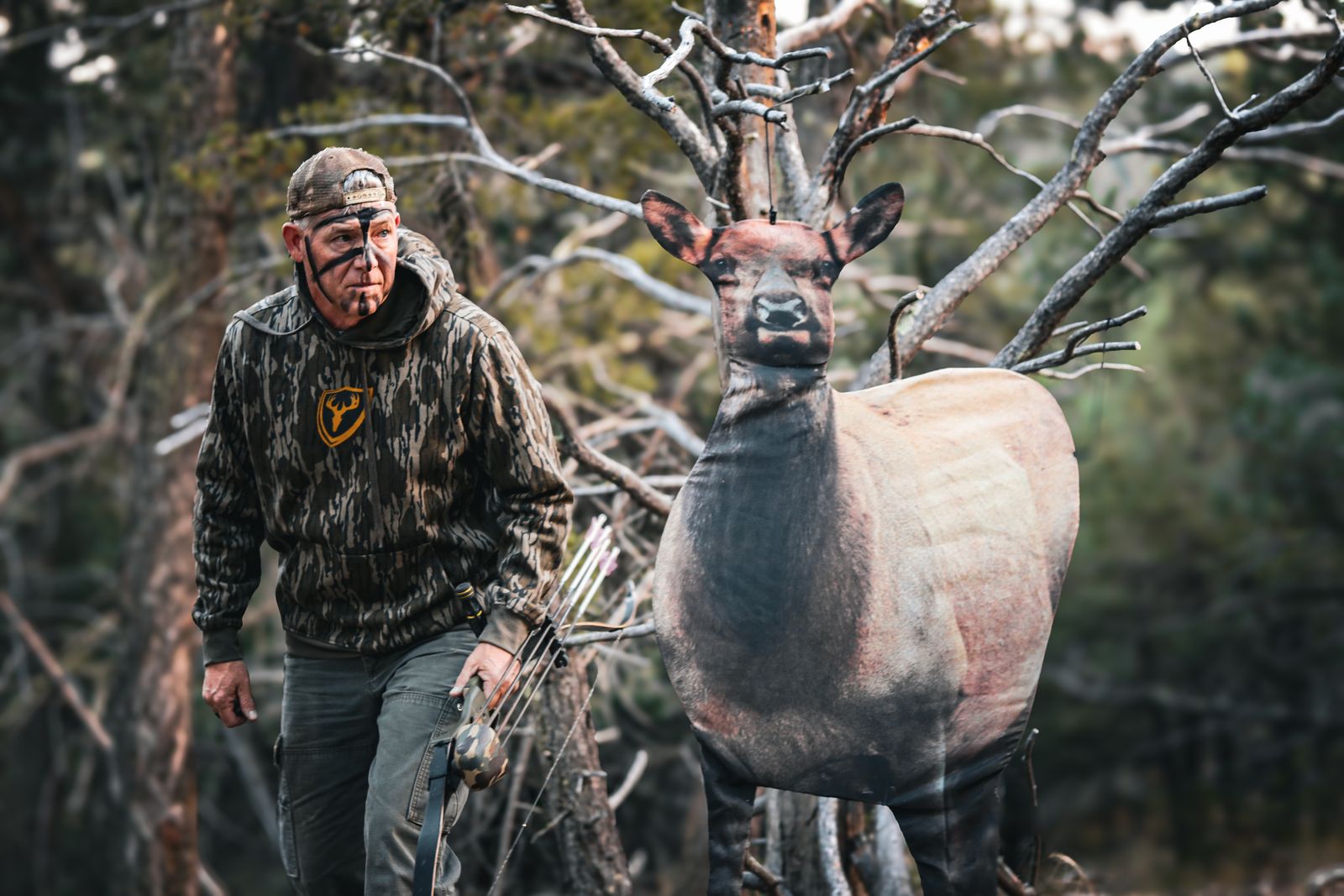
Beat the Crowd on the Ground
If you end up hunting an OTC elk unit, terrain matters more than it ever has. Most hunters follow the same unwritten rule: hike about two miles from the road, then stop. That “two-mile line” has become its own pressure zone, a second wave of hunters bunched up right where everyone assumes it’s far enough in.
Don’t camp on that line. Pick one of two directions instead.
Hunt the thick, overlooked pockets:: steep drainages, brushy north slopes, terrain most hunters avoid because it looks miserable. Pressured elk often hold in cover nobody wants to fight through.
The further you go the more results to show. Hike five-plus miles into real backcountry, well past where the two-mile crowd is willing to go.
Whichever direction you choose, track the escape routes. Once opening weekend shooting and calling starts, pressured elk don’t scatter randomly. They funnel toward specific terrain: the harder to access for a hunter, the better. Scout those funnels before season in order to plan ambush spots where the elk are headed, not where they used to live.
Change Your Elk Calling Strategy: Go Silent, Go Visual
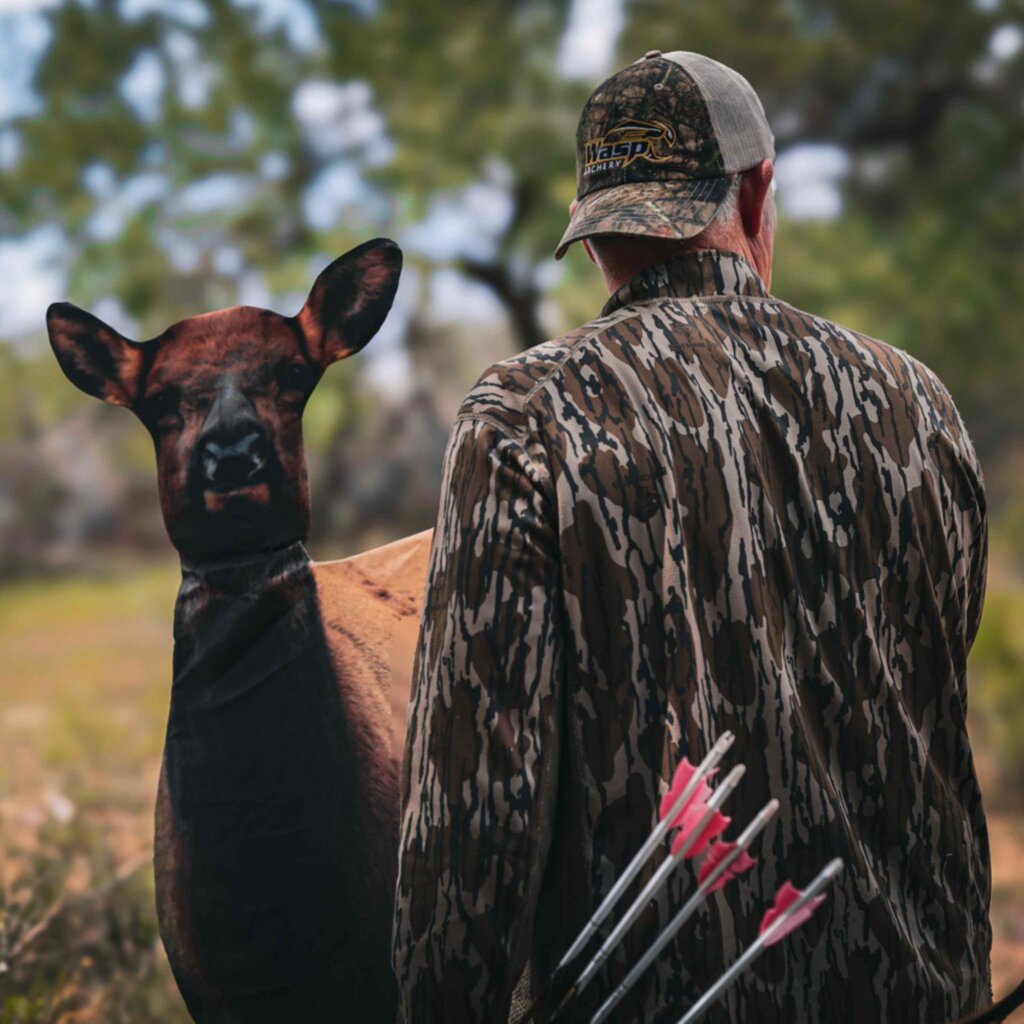
Here’s the piece most hunters miss completely. When every hunter in the Rockies is using the same cow calls and bugles, elk stop trusting sound. A call-shy bull that has already heard three other hunters call that morning knows that silence and elevated caution are his best choices. . He needs a reason to believe a cow is in the area. In a crowded unit, that reason has to be visual.
This is where an elk decoy earns its keep. Instead of loud, broadcast-style calling that tips off elk and every other hunter in the area to your exact location, set up quietly in thick cover downwind and set a decoy so that it’s visible from as many directions as possible. A lightweight cow decoy like Miss September or the Eichler Elk Decoy does the job. Call softly, if at all, and let the visual close the deal. It’s very possible that a bull suspicious of sound will still commit to what he can see.
The same setup can work in feeding areas and on water holes across pressured units.
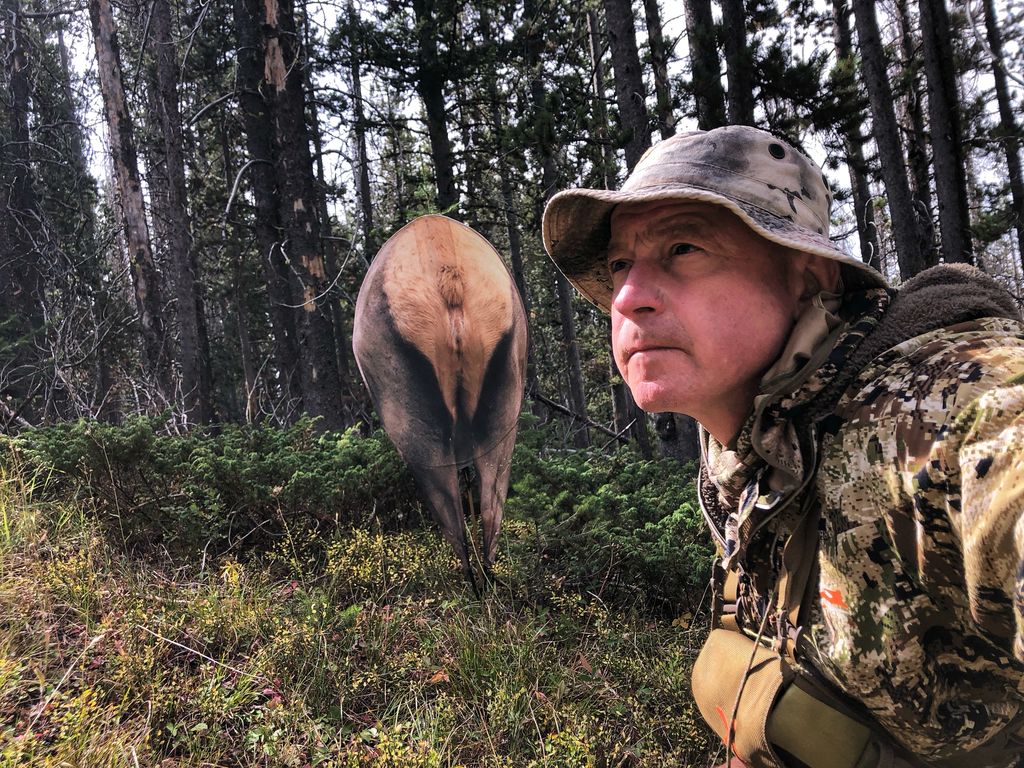
Plan Early, Stay Agile
The hunters who keep filling tags in crowded OTC units aren’t clinging to the old playbook. They diversify their strategy across the season, pick terrain that most hunters skip, read where pressure pushes elk, and change how they call once the woods get loud.
Start building your plan now.

